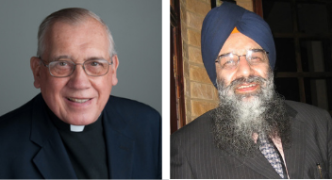
by Rev. Dr. Michael Trice, Trustee & Secretary, Parliament of the World’s Religions
In a fractured world, the work of interreligious engagement is not only about dialogue, representation, or public witness. It is also about formation: the shaping of attention, habits, relationships, and institutional norms that teach people what to expect from one another and what to believe about human dignity.
One way I have come to understand this work is through the language of beauty, an area I am writing about professionally this year. By beauty, I do not mean ornament, sentiment, or aesthetic preference. I mean something closer to a moral and spiritual condition: those patterns of life in whose presence human beings become more alive, more recognizable to one another, and more capable of inhabiting a shared world. |